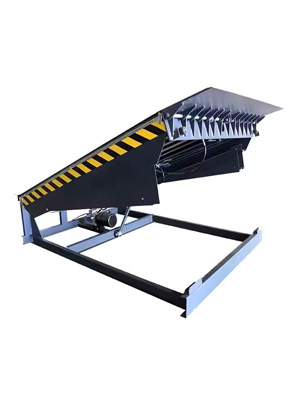
Industrial lift gates play a crucial role in various industrial and commercial settings, providing security, insulation, and convenience for large openings. However, to ensure their safe and efficient operation, it is essential to be aware of and adhere to specific usage precautions.
1. Pre – use Inspection
Before operating the industrial lift gate, conduct a thorough visual inspection. Check the door panels for any signs of damage, such as cracks, dents, or loose components. Examine the tracks to ensure they are free of debris, obstructions, and any signs of misalignment. Verify that the safety devices, including photoelectric sensors and safety edges, are in proper working condition. If any issues are detected during the inspection, refrain from using the gate and contact a professional technician for repair immediately.
2. Operator Training
Only trained and authorized personnel should be allowed to operate the industrial lift gate. Ensure that operators receive comprehensive training on the correct use of the control system, including how to start, stop, and reverse the gate. They should also be familiar with emergency stop procedures and the proper response in case of malfunctions. Untrained individuals may misuse the equipment, leading to accidents or damage to the gate.
3. Loading and Unloading Safety
When using the industrial lift gate during loading and unloading operations, maintain a safe distance between the vehicle and the gate. Do not start the gate movement while personnel are still in the loading area or when the vehicle is not properly positioned. Use appropriate signaling systems to communicate between the vehicle operator and the gate operator to ensure coordinated and safe operations. Avoid overloading the gate by ensuring that the weight and size of the goods being transported through it are within the specified capacity limits.
4. Avoiding Forced Operation
Never attempt to force the industrial lift gate open or closed manually if it encounters resistance. Forcing the gate can cause severe damage to the mechanical components, such as the motor, springs, and tracks. If the gate fails to operate correctly, turn off the power supply immediately and contact a professional for assistance. Trying to resolve the issue without proper knowledge and tools can escalate the problem and pose safety risks.
5. Regular Maintenance
Establish a regular maintenance schedule for the industrial lift gate. This includes lubricating moving parts, such as hinges, rollers, and chains, at specified intervals to reduce friction and wear. Tighten any loose bolts and nuts, and check the tension of the springs. Regular maintenance not only extends the lifespan of the gate but also helps to identify potential problems before they lead to major breakdowns or safety hazards.
6. Inclement Weather Precautions
In adverse weather conditions, such as strong winds, heavy rain, or snow, take extra precautions. In high – wind situations, consider using additional bracing or locking mechanisms to secure the gate and prevent it from being damaged by the wind. After a snowfall or rainfall, clear the tracks and surrounding areas of any accumulated snow, ice, or water promptly to ensure smooth operation of the gate.
7. Safety Device Monitoring
The safety devices installed on industrial lift gates are critical for preventing accidents. Continuously monitor the functionality of photoelectric sensors, which detect the presence of objects in the gate’s path and stop the gate from closing. Safety edges, which are pressure – sensitive strips along the bottom of the gate, should also be regularly checked. If these safety devices malfunction, the gate should be immediately taken out of service until they are repaired.
By following these precautions, you can ensure the safe, reliable, and long – lasting performance of industrial lift gates, minimizing the risk of accidents, equipment damage, and disruptions to your industrial or commercial operations.