1. Door Type and Structural Design
- Door Type:The structural complexity and production process vary significantly among different door types, leading to obvious price differences.
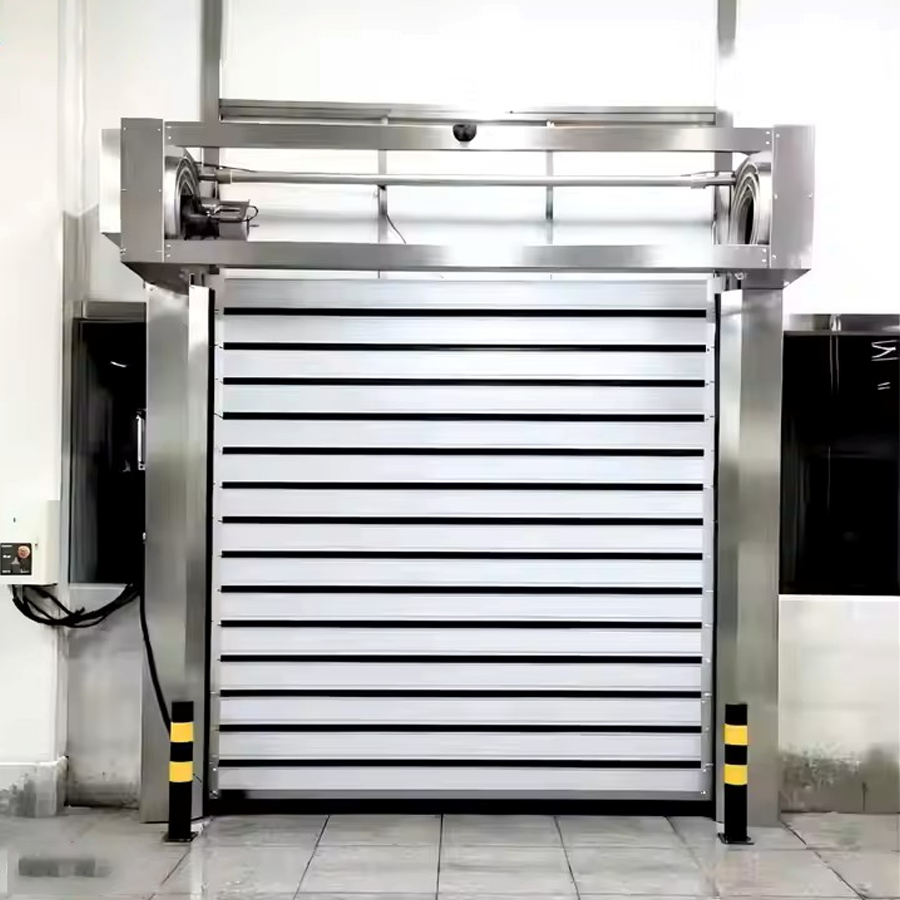
- Reference price ranking (from low to high): Ordinary rolling shutter door < sliding door < folding door < fast rolling shutter door < industrial sectional door (lifting door) < special fireproof/explosion-proof door.
- Example: Fast rolling shutter doors require high-frequency opening and servo motor drives, making them more expensive than ordinary rolling shutter doors.
- Structural Design:
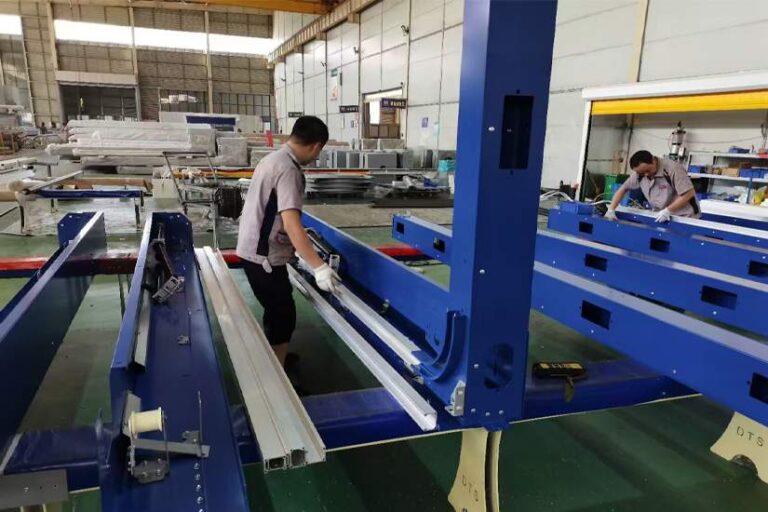
- Customized structures (such as extra-large sizes or special shapes) require special design and processing, increasing costs.
- Layered or composite structures (e.g., insulation layer + protective layer) are costlier than single-layer structures.
2. Material and Component Selection
- Door Panel Materials:
- Material cost: Stainless steel (304/316) > high-strength aluminum alloy > galvanized steel sheet > color steel sheet.
- Thickness and craftsmanship: Greater thickness (e.g., 1.5mm vs. 0.8mm) and higher surface treatment requirements (spraying, film coating, anodizing) lead to higher prices.
- Special materials: Explosion-proof doors need impact-resistant materials, while fireproof doors require flame-retardant cores (such as rock wool or aluminum silicate), significantly increasing costs.
- Driving and Control Systems:
- Motor types: Ordinary motor < frequency conversion motor < servo motor (commonly used in fast doors), with servo motors costing 30%-50% more.
- Intelligent configurations: Doors with PLC control systems, remote monitoring modules, or IoT interfaces are pricier.
- Hardware Components:
- The material (e.g., stainless steel vs. carbon steel) and brand (imported vs. domestic) of rails, rollers, and seals affect pricing.
- Safety components (such as infrared sensors, safety airbags, and anti-collision columns) add to the cost.
3. Size and Specifications
- Door Opening Dimensions:
- Larger areas (width × height) require more materials, leading to linear price increases. Example: A 3m×4m door is 40%-60% more expensive than a 2m×3m door.
- Ultra-wide or ultra-high doors (e.g., ≥6m) need reinforced structural designs, possibly requiring support beams and reinforcements, further increasing costs.
- Opening Mode and Speed:
- Fast doors (opening speed ≥0.8m/s) are costlier than ordinary doors, and higher speeds (e.g., 1.5m/s) raise drive system costs.
4. Functions and Special Requirements
- Special Performance Requirements:
- Fireproof doors (requiring fire certification, such as GB12955 standards) and explosion-proof doors (complying with ATEX/IECEx certifications) cost 50%-100% more than ordinary doors.
- Insulated doors (with thermal conductivity K value <1.5W/㎡·K) need high-efficiency insulation materials (such as polyurethane foam), increasing costs.
- Functions like dustproofing, waterproofing, and wind pressure resistance (e.g., resisting typhoon level 12) require special sealing designs and structural reinforcement, driving up prices.
- Customized Demands:
- Non-standard requirements such as appearance customization (color spraying, logo printing), special opening logic (integration with production lines), or corrosion resistance (for chemical environments) increase R&D and production costs.
5. Installation and Service Costs
- Installation Difficulty:
- Complex environment installations (such as high-altitude, narrow spaces, or old factory renovations) require extra working hours and auxiliary equipment (e.g., cranes), increasing installation fees.
- Special regions (such as plateaus or extremely cold areas) need adaptive installation solutions, raising costs.
- After-Sales Service:
- Products with long-term warranties (e.g., 3 years vs. 1 year) or regular maintenance packages are more expensive.
- Emergency repair response services (such as 24-hour on-site support) may be included in the initial quote.
6. Market and Brand Factors
- Brands and Suppliers:
- International brands or top domestic brands cost 20%-40% more than mid-small brands, but offer better quality and after-sales support.
- Customized manufacturers (focused on high-end industrial doors) quote higher prices than standardized producers.
- Market Supply-Demand and Region:
- Prices may rise during peak seasons (such as manufacturing investment peaks), and transportation costs for remote areas increase terminal prices.
Summary: Priority of Price Influencing Factors
- Core Factors:Door type (structural complexity), size, material quality.
- Functional Premium:Special performance (fireproof/explosion-proof/insulated), intelligent configurations.
- Additional Costs:Installation difficulty, brand, and service.
Example Price Range:Ordinary industrial rolling shutter door (3m×3m): ~5,000-8,000 CNY; fast insulated sectional door (4m×5m): ~20,000-40,000 CNY; customized explosion-proof fireproof door: over 50,000 CNY. Specific prices should be verified with suppliers based on actual requirements.